Wake Up Rested Instead of Exhausted
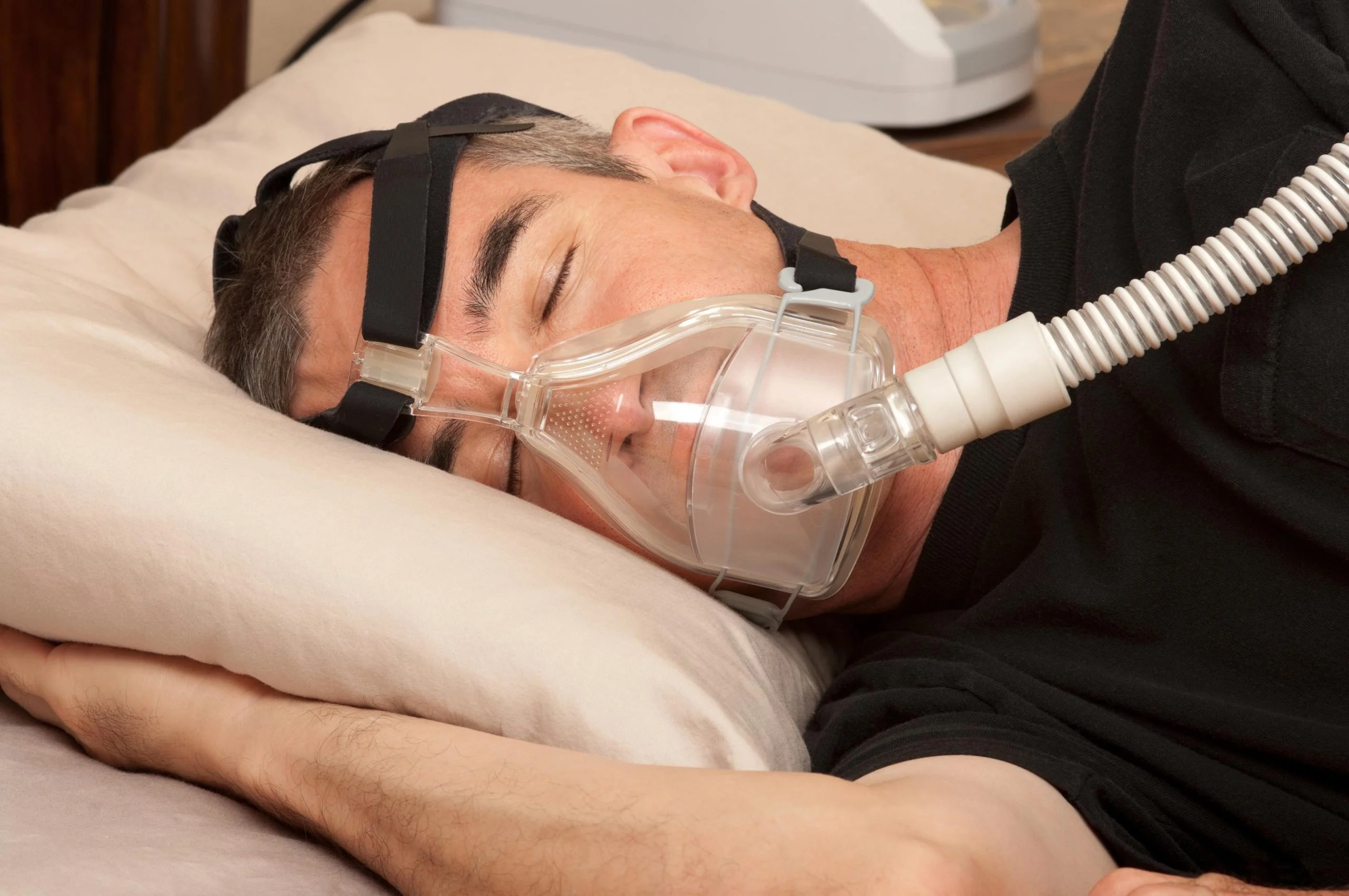
People with sleep apnea rarely get the rest they need. Breathing pauses wake them again and again through the night, often without them noticing. The result is constant fatigue, trouble concentrating, irritability, and a higher risk of serious health problems. At Joshua Stern D.D.S in Nutley, NJ , we make comfortable, custom-fitted oral appliances that keep the airway open while you sleep. Many patients find them a simple alternative to a CPAP machine, and they often sleep better from the first night.
What Is Sleep Apnea?
Obstructive sleep apnea is the most common form. While you sleep, the muscles in your throat relax and the soft tissues and tongue fall back and block the airway. Breathing slows or stops for a few seconds or longer, and your brain briefly wakes you to start breathing again. This can happen dozens or even hundreds of times a night, so you never reach the deep, restorative sleep your body needs.
Common Signs of Sleep Apnea
- Loud, frequent snoring
- Gasping, choking, or pauses in breathing that a partner notices
- Waking up with a dry mouth, sore throat, or morning headache
- Daytime sleepiness, even after a full night in bed
- Trouble focusing, poor memory, or mood changes
- Waking up often to use the bathroom at night
- Teeth grinding or jaw soreness
Why Sleep Apnea Should Not Be Ignored
Sleep apnea affects much more than how tired you feel. Repeated drops in oxygen put strain on the heart and blood vessels. Untreated sleep apnea is linked to high blood pressure, heart disease, stroke, type 2 diabetes, and weight gain. Daytime drowsiness also raises the risk of accidents at work and on the road. People with sleep apnea face added risk with general anesthesia because their airway can collapse more easily. Getting treatment protects your health as well as your energy.

How a Dentist Can Help You Breathe Easier
Oral appliance therapy is a proven treatment for snoring and mild to moderate obstructive sleep apnea. It is also a good option for people who cannot tolerate CPAP. The appliance looks a lot like a sports mouth guard or retainer. It gently holds your lower jaw slightly forward while you sleep, which keeps your tongue and soft tissues from blocking your airway.
Because every appliance is made from impressions of your own teeth, it fits securely and comfortably. It is quiet, needs no electricity, and fits easily in a travel bag.
What to Expect at Our Office
Sleep apnea is diagnosed with a sleep study ordered by your physician. If you have already been diagnosed, or if your doctor recommends oral appliance therapy, we will work alongside your medical team to get you the right care.
Your Treatment Steps
- Consultation and exam: We review your sleep study, health history, and symptoms, then examine your teeth, jaw joints, and bite to make sure an oral appliance is a good fit.
- Impressions: We take precise impressions of your teeth so your appliance can be custom made.
- Fitting: When your appliance is ready, we check the fit, make any adjustments, and show you how to wear and care for it.
- Follow-up visits: We fine-tune the jaw position over time for the best comfort and results, and we coordinate with your physician on any follow-up sleep testing.
Benefits of Oral Appliance Therapy
- Less snoring and fewer breathing interruptions
- Deeper sleep and more energy during the day
- Comfortable, custom fit with no mask or hose
- Easy to clean, store, and travel with
- A quieter night for you and your partner
Jaw pain, clicking, or grinding often occur along with sleep-disordered breathing. If you have these symptoms too, we may also recommend TMJ treatment. Sleep apnea care is one of several oral surgery services we provide to patients in Nutley, NJ and nearby communities.
Sleep Apnea FAQs
How do I know if I have sleep apnea?
Loud snoring, gasping during sleep, morning headaches, and daytime exhaustion are common warning signs. A diagnosis requires a sleep study ordered by your physician, either in a sleep lab or with a home sleep test. If you have symptoms, let us know at your next visit and we can help point you in the right direction.
Can a dentist treat sleep apnea?
Yes. Dentists can provide custom oral appliance therapy, a proven treatment for snoring and mild to moderate obstructive sleep apnea. We work with your physician, who diagnoses the condition, so you get coordinated care.
How does an oral appliance work?
The appliance fits over your upper and lower teeth and gently moves your lower jaw slightly forward. This keeps your tongue and the soft tissues in your throat from collapsing and blocking your airway while you sleep.
Is an oral appliance a good alternative to CPAP?
For many people with mild to moderate sleep apnea, or those who cannot tolerate a CPAP machine, an oral appliance is an effective and more comfortable option. Severe sleep apnea may still need CPAP, so the best choice depends on your sleep study results and your physician's advice.
Will an oral appliance be uncomfortable?
Because it is custom made from impressions of your teeth, most patients adjust within a few nights. Some people notice mild jaw or tooth tenderness in the morning at first, which usually fades quickly. We make adjustments at follow-up visits to keep it comfortable.
Does an oral appliance help with snoring?
Yes. Snoring happens when air moves past relaxed tissues in a narrowed airway. By keeping the airway more open, an oral appliance often reduces or eliminates snoring, which helps both you and your partner sleep better.
Is sleep apnea treatment covered by insurance?
Oral appliance therapy for diagnosed sleep apnea is often covered in part by medical insurance rather than dental insurance. Our team can help you understand your coverage before treatment begins.
Get the Restful Sleep You Deserve
Don't let sleep apnea drain your energy and put your health at risk. Call Joshua Stern D.D.S at (973) 667-9110 or request an appointment online to find out if a custom oral appliance is right for you.